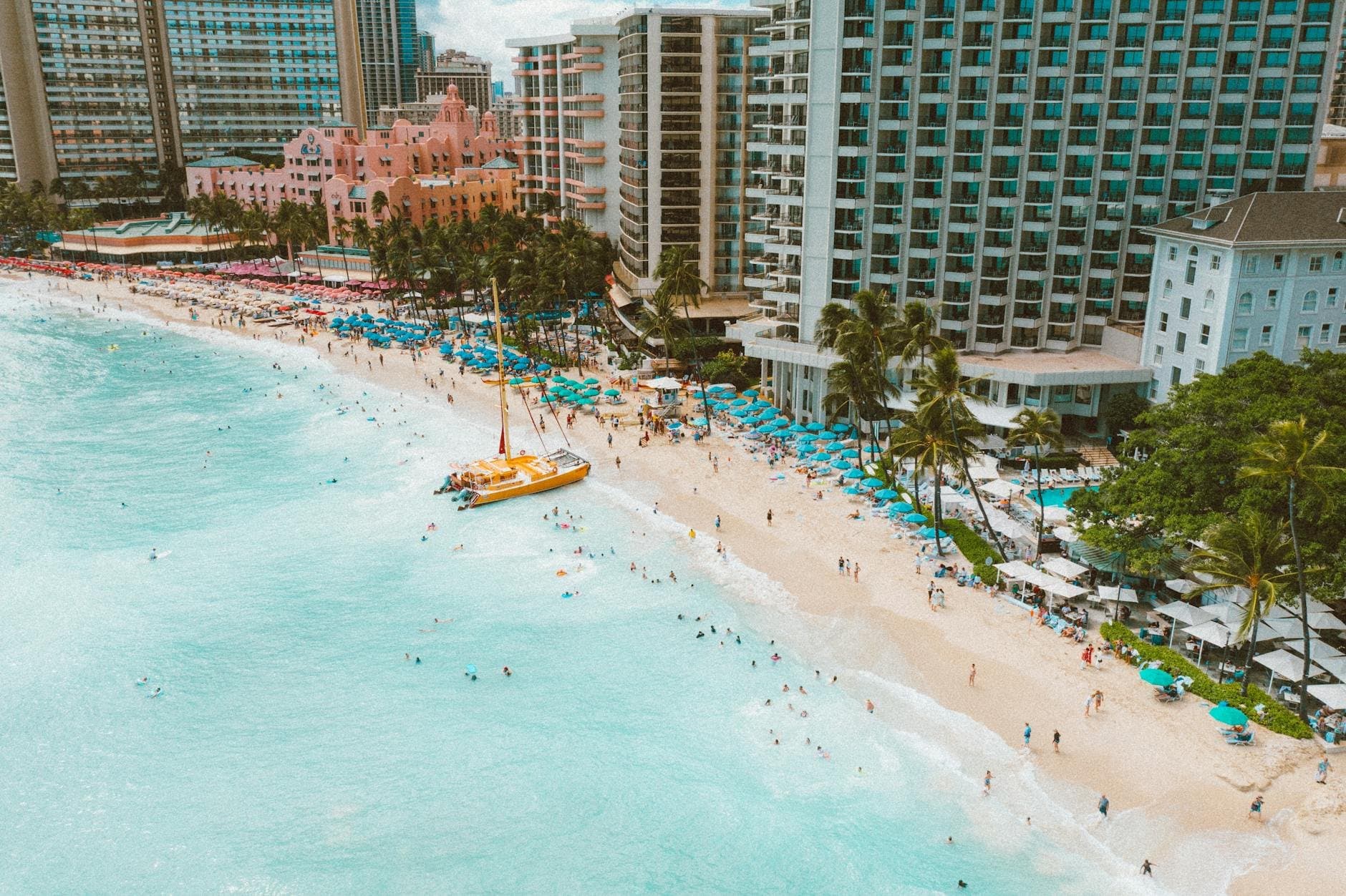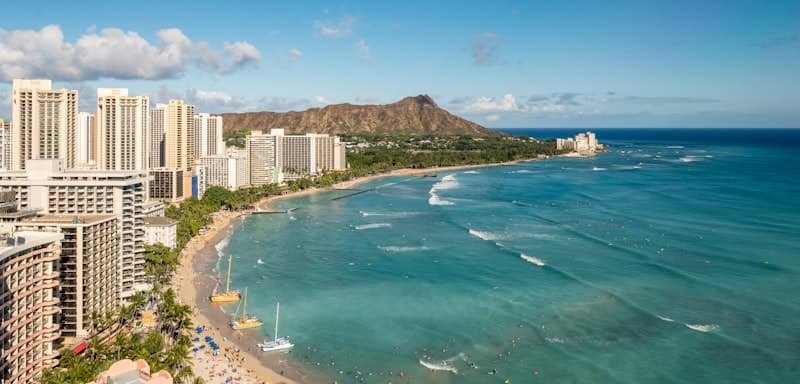
This Waikiki travel guide is for guests who want an easy first visit in July 2026: beach time, good walks, simple meals, and enough planning to avoid friction. Waikiki is compact, but the days go better when you choose one main outing, leave room for weather, and keep your beach bag light.
Our guests often ask how to balance Waikiki with the rest of Oahu. What we usually tell first-time visitors is simple: enjoy Waikiki on foot, then plan one clear day beyond it. You do not need to chase every viewpoint to have a good trip.
Waikiki travel guide: Start here
Start with the beach, Kalakaua Avenue, and one easy walk toward Diamond Head before you build a bigger plan. That gives you the feel of Waikiki without turning your first day into a checklist. In July, heat and crowds make slower mornings worth it.
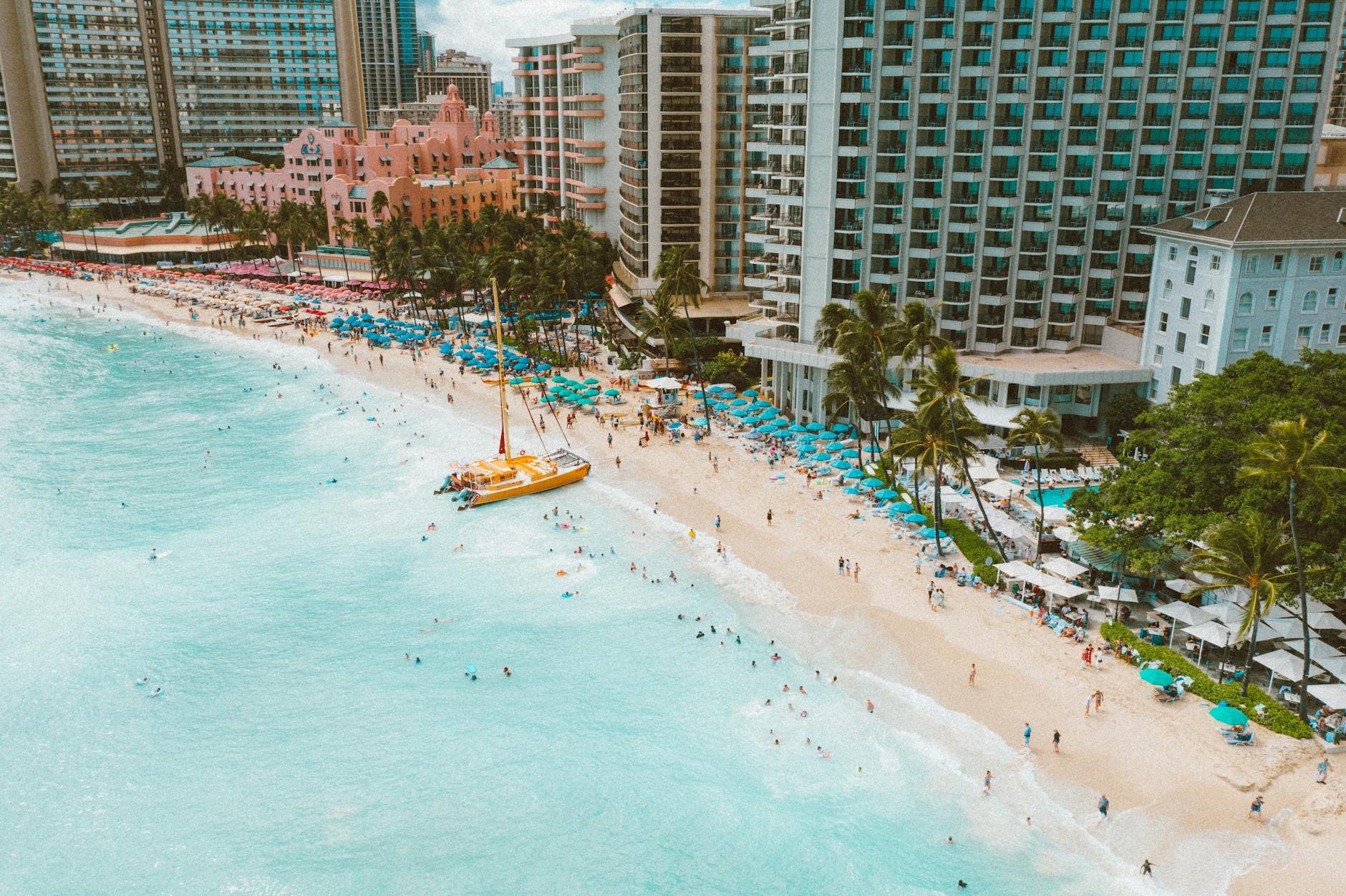
Waikiki works best when you treat it as a neighborhood, not just a beach strip. The ocean, shops, hotels, surf schools, parks, and food lines sit close together. That is convenient, but it also means small choices matter.
- Swim or walk early, before the middle of the day feels heavy.
- Keep lunch flexible, especially with kids or a group.
- Use rideshare, buses, or walking when parking would drain the mood.
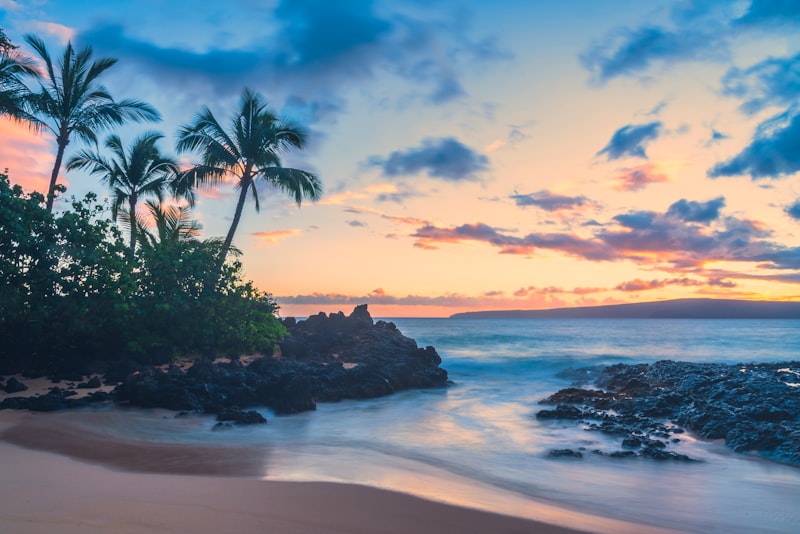
- Save one evening for sunset near the water.
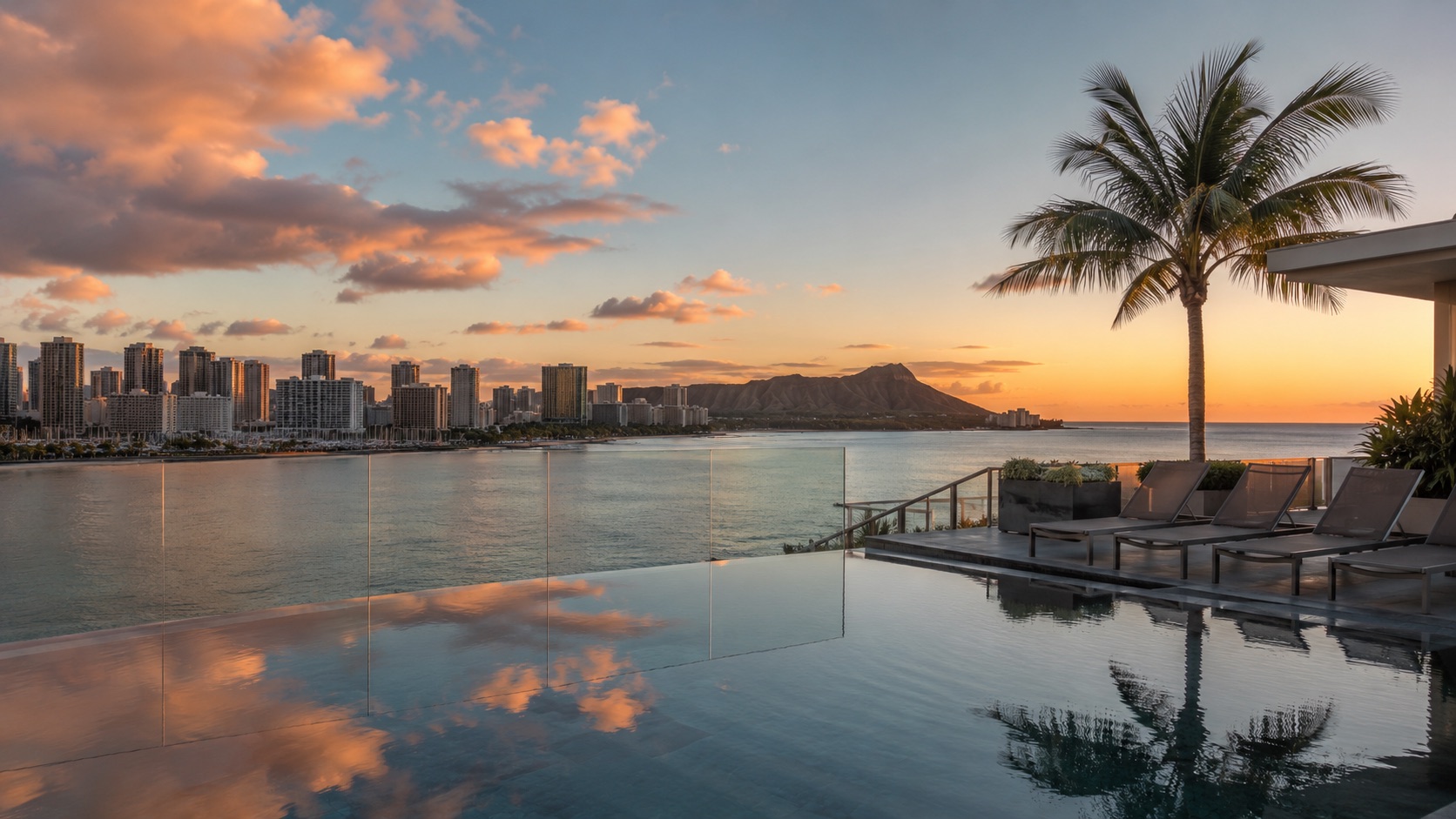
Travelers this month are still talking about Waikiki sunsets. A July 2026 social post described the city grid meeting a huge sunset over Honolulu, which matches what guests often notice first: Waikiki can feel urban and oceanfront at the same time.
When is the best time to visit Waikiki?
The best time of day in Waikiki is early morning for calm beach time and late afternoon for a slower walk or sunset. July brings warm vacation energy, so build your day around shade, water, and breaks. Midday is better for lunch, shopping, or resting indoors.
The water sits glass-flat in the morning. Crowds build through midday. By four in the afternoon families thin out and the beach gets quiet again. If you only have time for one swim a day, the seven-to-nine window is the best one.
If you plan to snorkel in a protected bay on Oahu, morning can help. A recent r/VisitingHawaii thread noted that water clarity depends on ocean conditions, and earlier can be better before people stir up the water. That is useful advice for any water-focused plan.
We tell guests to keep one backup option ready. If wind, surf, or rain changes your beach idea, move the outdoor plan to another morning. Waikiki gives you enough nearby choices to adjust without losing the day.
Where should you stay on Oahu?
Stay in Waikiki if you want beach access, walkable meals, easy tours, and less time solving logistics. It is a strong base for first-time Oahu guests because many daily needs are close together. For a wider island overview, our Honolulu market guide can help you compare the area.
Waikiki is not the quietest part of Oahu. That is part of the tradeoff. You get convenience, more dining choices, surf lessons, beach rentals, and pickup points for many activities. In return, you plan around traffic, crowds, and paid parking.
For many guests, the right answer is not all Waikiki or all road trips. It is a Waikiki base with one or two focused outings. That keeps the trip restful while still giving you a wider look at Oahu.
Within Waikiki itself, the strip between Kaiulani Avenue and Diamond Head sits closer to the quieter end. You get the same beach access and the same restaurants, with a shorter walk back to a calm room at night. Our condo at BTS 1904 sits on the nineteenth floor of the Aston Waikiki Beach Tower with a wraparound view from Diamond Head to the Pacific.
What should you do on your first full day?
Your first full day should stay close to Waikiki, with one beach block, one walk, and one meal you are not rushing. This helps you settle into the time zone and learn the area. It also keeps you from spending your first morning in traffic.
- Start with coffee, breakfast, and a beach walk.
- Choose a swim, surf lesson, or shaded park time before lunch.
- Rest during the hottest part of the day.
- Walk Kalakaua Avenue or the shoreline in late afternoon.
- Pick dinner nearby, then watch the sky change near the water.
Our guests often ask about Diamond Head. The walk toward that side of Waikiki gives you a nice sense of the coastline, even if you do not hike. If you plan a real hike, start early and bring more water than you think you need.
Keep your first day simple.
Where do locals actually eat near Waikiki?
Eat where the plan fits your group, not where a line makes you feel obligated. Waikiki has famous casual spots, hotel restaurants, takeout counters, and quick meals. The best choice after a beach day is often the one that keeps everyone fed without a long wait.
Recent visitor threads in July 2026 called out Marugame because the line can be long, especially with two little ones. One traveler suggested ordering takeout online and using the separate pickup window. That is the kind of small tactic that can save a family evening.
For a low-stress food plan, mix one planned meal with one flexible meal each day. Book or decide the meal that matters most. Leave the other one open for leftovers, takeout, or whatever is close when people are tired.
- For beach days, choose takeout you can carry easily.
- For families, check wait times before everyone gets hungry.
- For date nights, choose location first so the walk home is easy.
- For early mornings, keep breakfast simple and start outside sooner.
How do you get from the airport to Waikiki?
Honolulu International (HNL) sits about a thirty-minute drive from Waikiki without traffic, longer at rush hour. Rideshare and taxi run between thirty and fifty dollars depending on time of day. The Waikiki Express shuttle runs twenty dollars one way. We recommend rideshare for two-plus travelers because the per-person cost works out the same and you skip the shuttle wait.
How do you get around without overplanning?
The easiest Waikiki transportation plan is to walk locally and group farther stops into one clear outing. Waikiki is made for short walks, but cross-island plans take more attention. Do not split the day between far-apart places unless you are comfortable spending time in transit.
A recent itinerary thread asked why a traveler was bouncing between nearby hotel areas. That question is useful for any Waikiki plan. If two stops are close, combine them. If two stops are far, ask what you are giving up to reach both.
Boat cruises came up in that same visitor discussion because the ocean view gives a different angle on Waikiki. If your group wants a break from walking, a water-based outing can feel easier than adding another drive.
We usually suggest one anchor per day. Make that the beach, a hike, a food reservation, a boat ride, or a North Shore drive. Then let the smaller pieces fit around it.
What should you pack for Waikiki in July?
Pack light beach gear, sun protection, walking shoes, and clothes that dry quickly. July days can feel full even when the plan is simple, so comfort matters. You will use the same practical items again and again.
- Reef-conscious sunscreen and a hat for long beach blocks.
- A refillable water bottle for walks and tours.
- Sandals for the beach and real shoes for longer walks.
- A small dry bag or pouch for phone, keys, and cards.
- A light layer for indoor air conditioning.
- Swimwear that can handle sitting, walking, and eating nearby.
Do not overpack beach equipment unless you know you need it. Many guests are happier renting or buying small items nearby. Save luggage space for clothes you can wear more than once.
Questions guests ask us
Is Waikiki good for a first trip to Oahu?
Yes, Waikiki is a practical first base because you can walk to the beach, food, shops, tours, and sunset spots. It also gives you easy access to Honolulu. The tradeoff is crowding, so plan early mornings and keep your daily schedule simple.
How many days do you need in Waikiki?
Three to five nights works well for many first-time guests. That gives you time for beach mornings, a Diamond Head area walk, one water activity, and at least one outing beyond Waikiki. More days help if you want a slower pace.
Do you need a car in Waikiki?
You do not need a car for Waikiki itself. Walking, rideshare, buses, and tour pickups can cover many plans. A car helps for a focused island day, but parking can be expensive and time-consuming, so rent only for the days you truly need it.
Is Waikiki only for beach days?
No, Waikiki is also useful for food, walking, shopping, surf lessons, boat outings, and Honolulu access. The beach is the center of the stay, but the neighborhood works well as a base. Guests usually enjoy it more when they leave room for unscheduled time.
If Waikiki sounds like the right base for your Oahu trip, Rakuen Sol keeps the planning calm and guest-first. You can browse our current Rakuen Sol properties and choose a stay that fits the way you want to spend your days.